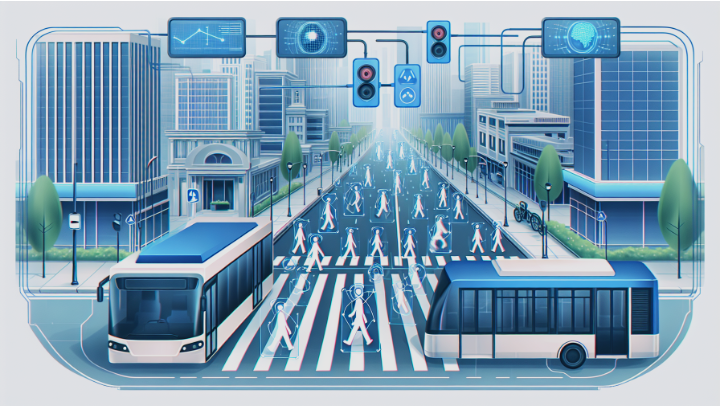
AI has significantly transformed the transport sector by making movement safer, faster, and more efficient. Rather than replacing human drivers or planners outright, AI has reshaped how transport systems are managed, predicted, and optimized. Its greatest achievement lies in turning vast amounts of transport data into real-time decisions that improve how people and goods move.
One of AI’s most notable successes is in traffic management. Cities now use AI systems to analyze live traffic data from cameras, sensors, and GPS devices. These systems can adjust traffic light timings, detect congestion, and suggest alternative routes in real time. As a result, travel times are reduced, fuel consumption is lowered, and emissions decrease. Instead of reacting to traffic problems after they occur, transport authorities can anticipate and respond to them as they develop.
AI has also improved road safety. Advanced driver-assistance systems use AI to detect hazards, recognize pedestrians, monitor lane positioning, and warn drivers of potential collisions. Features such as automatic emergency braking and adaptive cruise control rely on AI to react faster than human reflexes in critical moments. While fully autonomous vehicles are still developing, these AI-assisted technologies have already helped reduce accidents and save lives.
Public transport has benefited greatly from AI as well. AI systems help predict passenger demand, optimize routes, and improve scheduling for buses, trains, and subways. This makes services more reliable and reduces overcrowding during peak hours. Maintenance has also improved through predictive analytics, where AI detects early signs of equipment failure, allowing repairs before breakdowns disrupt services.
In logistics and freight transport, AI has revolutionized efficiency. AI-powered systems optimize delivery routes, manage warehouse operations, and predict supply chain disruptions. This has made shipping faster and more reliable while reducing costs. During global disruptions, AI has helped companies adapt by identifying alternative routes and adjusting schedules in response to changing conditions.
AI has also played a growing role in aviation. Airlines use AI to optimize flight paths, reduce fuel usage, predict maintenance needs, and improve air traffic control. These systems help manage crowded airspace more safely and efficiently, reducing delays and improving overall flight safety.
Another important achievement is the integration of AI into smart mobility services. Ride-sharing platforms use AI to match drivers with passengers, estimate arrival times, and adjust pricing based on demand. Navigation apps rely on AI to provide real-time route guidance, helping users avoid congestion and reach destinations more efficiently.
Despite these achievements, AI in transport is not without challenges. Issues such as data privacy, system reliability, and accountability remain important concerns. AI systems must be transparent and carefully regulated, especially when they influence safety-critical decisions.
Overall, AI has achieved meaningful progress in the transport sector by enhancing efficiency, safety, and sustainability. Its success lies not in replacing humans, but in supporting better decision-making across complex transport networks. As transport systems continue to grow and modernize, AI is likely to remain a central tool in shaping how societies move.
One of AI’s most notable successes is in traffic management. Cities now use AI systems to analyze live traffic data from cameras, sensors, and GPS devices. These systems can adjust traffic light timings, detect congestion, and suggest alternative routes in real time. As a result, travel times are reduced, fuel consumption is lowered, and emissions decrease. Instead of reacting to traffic problems after they occur, transport authorities can anticipate and respond to them as they develop.
AI has also improved road safety. Advanced driver-assistance systems use AI to detect hazards, recognize pedestrians, monitor lane positioning, and warn drivers of potential collisions. Features such as automatic emergency braking and adaptive cruise control rely on AI to react faster than human reflexes in critical moments. While fully autonomous vehicles are still developing, these AI-assisted technologies have already helped reduce accidents and save lives.
Public transport has benefited greatly from AI as well. AI systems help predict passenger demand, optimize routes, and improve scheduling for buses, trains, and subways. This makes services more reliable and reduces overcrowding during peak hours. Maintenance has also improved through predictive analytics, where AI detects early signs of equipment failure, allowing repairs before breakdowns disrupt services.
In logistics and freight transport, AI has revolutionized efficiency. AI-powered systems optimize delivery routes, manage warehouse operations, and predict supply chain disruptions. This has made shipping faster and more reliable while reducing costs. During global disruptions, AI has helped companies adapt by identifying alternative routes and adjusting schedules in response to changing conditions.
AI has also played a growing role in aviation. Airlines use AI to optimize flight paths, reduce fuel usage, predict maintenance needs, and improve air traffic control. These systems help manage crowded airspace more safely and efficiently, reducing delays and improving overall flight safety.
Another important achievement is the integration of AI into smart mobility services. Ride-sharing platforms use AI to match drivers with passengers, estimate arrival times, and adjust pricing based on demand. Navigation apps rely on AI to provide real-time route guidance, helping users avoid congestion and reach destinations more efficiently.
Despite these achievements, AI in transport is not without challenges. Issues such as data privacy, system reliability, and accountability remain important concerns. AI systems must be transparent and carefully regulated, especially when they influence safety-critical decisions.
Overall, AI has achieved meaningful progress in the transport sector by enhancing efficiency, safety, and sustainability. Its success lies not in replacing humans, but in supporting better decision-making across complex transport networks. As transport systems continue to grow and modernize, AI is likely to remain a central tool in shaping how societies move.