Meaning Beyond Productivity in the Age of Artificial Intelligence
Modern life has trained people to equate worth with output. From school to employment, progress has often been measured by grades, targets, deadlines, and deliverables. Productivity became more than an economic concept; it became a moral one. To be busy was to be valuable. To be efficient was to be relevant. Artificial intelligence did not invent this mindset, but it has amplified it.
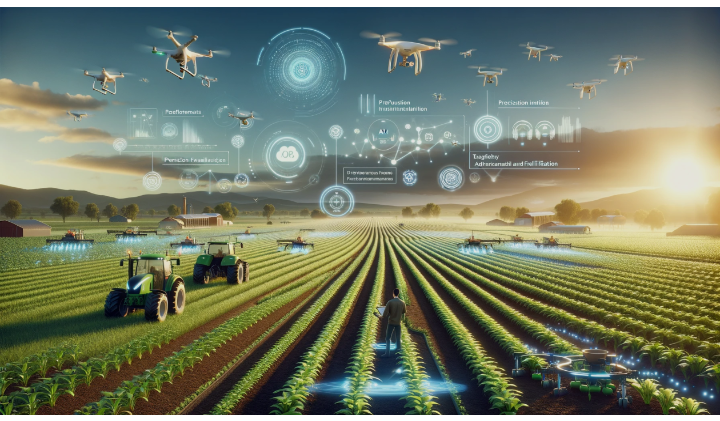
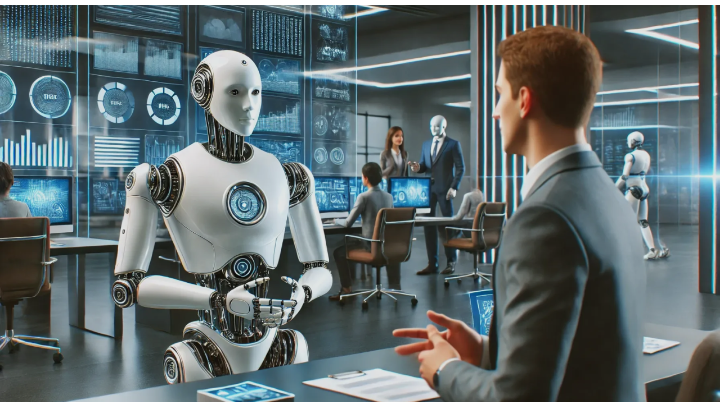
AI systems are designed to optimize performance. They reward speed, accuracy, consistency, and scale. In workplaces, algorithms track productivity in real time. In digital spaces, visibility is measured by engagement, reach, and frequency. In learning environments, progress is increasingly quantified through data. These systems function well within their logic, but their logic is narrow.
The problem begins when human beings are evaluated using the same framework. When relevance is defined only by measurable output, people start to internalize the idea that slowing down is failure and rest is waste. Reflection becomes a luxury. Curiosity becomes inefficient. Growth becomes something that must be visible to count.
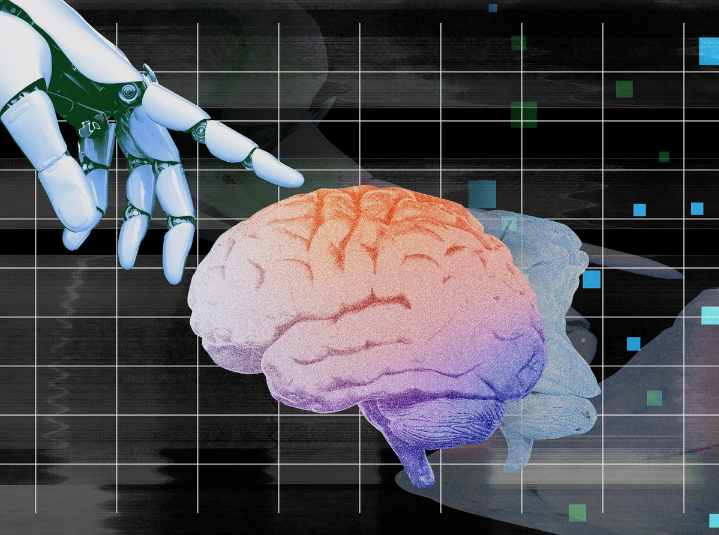
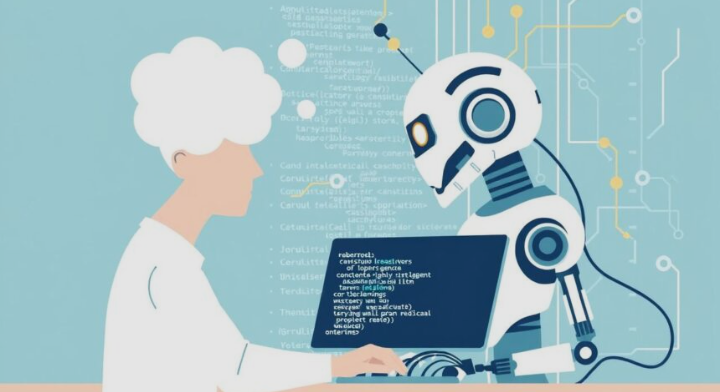
Artificial intelligence exposes a quiet tension. Machines are becoming better at tasks that once gave people a sense of purpose. Writing, analyzing, organizing, and even creating are no longer exclusively human domains. This creates an underlying anxiety, not always spoken aloud, about being replaceable. The fear is not only about jobs. It is about identity.
In such a climate, productivity becomes defensive. People work harder not to grow, but to remain visible. Hustle turns into survival. Learning becomes rushed. Comparison becomes constant. The pressure to stay relevant grows heavier, especially for young people who are building their sense of self in a world that never stops measuring.
Meaning operates differently. Meaning is slow. It forms through experience, reflection, relationships, and responsibility. It is not always efficient. It cannot be automated. A conversation that changes someone’s thinking may not scale. A moment of care may not produce data. A decision made with integrity may not maximize output. Yet these moments are foundational to human life.
AI cannot answer questions of meaning because meaning is not a function. It does not exist to optimize. It exists to orient. Productivity tells you how much you are doing. Meaning tells you why you are doing it, and whether it matters beyond immediate results.
This distinction becomes critical in education, work, and leadership. A student may perform well academically while feeling disconnected from purpose. A worker may meet every target while feeling empty. An organization may grow rapidly while eroding trust. In each case, productivity exists without meaning, and the result is fragility.
Artificial intelligence can either deepen this imbalance or help correct it. When used thoughtfully, AI can reduce repetitive labor, free time for creativity, and support better decision-making. When used carelessly, it can compress human roles into metrics and treat people as extensions of systems rather than contributors with judgment and dignity.
The challenge is not to reject efficiency, but to resist allowing it to dominate every definition of value. Human life is not a spreadsheet. Some of the most important contributions are not immediate, visible, or profitable. Mentorship, community building, ethical restraint, and emotional labor rarely appear in performance dashboards, yet societies depend on them.
Meaning also provides resilience. When people understand why they do what they do, they can endure uncertainty and change. Productivity alone does not offer this stability. In times of disruption, those who rely only on output for identity struggle most when systems shift. Meaning provides continuity when roles evolve.
The age of artificial intelligence therefore demands a cultural correction. Progress must be measured not only by speed and scale, but by depth, fairness, and sustainability. Technology should serve human goals, not redefine them by default.
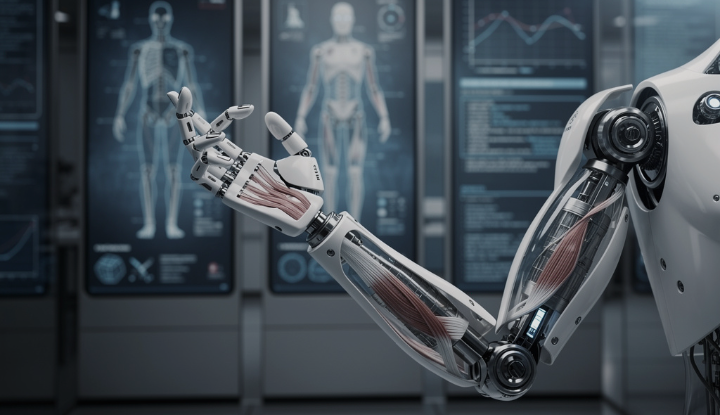
Remaining human in an intelligent world does not mean resisting change. It means insisting that intelligence be guided by values that cannot be coded. It means protecting space for slowness, doubt, care, and reflection. It means recognizing that relevance is not about outperforming machines, but about doing what machines cannot.
Productivity will always matter. Societies need output to function. However, when productivity becomes the sole measure of worth, something essential is lost. Artificial intelligence makes this choice unavoidable. Either humans redefine meaning, or systems will define value for them.
In the end, the most important question is not how productive a future society becomes, but whether it remains worth living in. Meaning is not a distraction from progress. It is what keeps progress human.
Modern life has trained people to equate worth with output. From school to employment, progress has often been measured by grades, targets, deadlines, and deliverables. Productivity became more than an economic concept; it became a moral one. To be busy was to be valuable. To be efficient was to be relevant. Artificial intelligence did not invent this mindset, but it has amplified it.
AI systems are designed to optimize performance. They reward speed, accuracy, consistency, and scale. In workplaces, algorithms track productivity in real time. In digital spaces, visibility is measured by engagement, reach, and frequency. In learning environments, progress is increasingly quantified through data. These systems function well within their logic, but their logic is narrow.
The problem begins when human beings are evaluated using the same framework. When relevance is defined only by measurable output, people start to internalize the idea that slowing down is failure and rest is waste. Reflection becomes a luxury. Curiosity becomes inefficient. Growth becomes something that must be visible to count.
Artificial intelligence exposes a quiet tension. Machines are becoming better at tasks that once gave people a sense of purpose. Writing, analyzing, organizing, and even creating are no longer exclusively human domains. This creates an underlying anxiety, not always spoken aloud, about being replaceable. The fear is not only about jobs. It is about identity.
In such a climate, productivity becomes defensive. People work harder not to grow, but to remain visible. Hustle turns into survival. Learning becomes rushed. Comparison becomes constant. The pressure to stay relevant grows heavier, especially for young people who are building their sense of self in a world that never stops measuring.
Meaning operates differently. Meaning is slow. It forms through experience, reflection, relationships, and responsibility. It is not always efficient. It cannot be automated. A conversation that changes someone’s thinking may not scale. A moment of care may not produce data. A decision made with integrity may not maximize output. Yet these moments are foundational to human life.
AI cannot answer questions of meaning because meaning is not a function. It does not exist to optimize. It exists to orient. Productivity tells you how much you are doing. Meaning tells you why you are doing it, and whether it matters beyond immediate results.
This distinction becomes critical in education, work, and leadership. A student may perform well academically while feeling disconnected from purpose. A worker may meet every target while feeling empty. An organization may grow rapidly while eroding trust. In each case, productivity exists without meaning, and the result is fragility.
Artificial intelligence can either deepen this imbalance or help correct it. When used thoughtfully, AI can reduce repetitive labor, free time for creativity, and support better decision-making. When used carelessly, it can compress human roles into metrics and treat people as extensions of systems rather than contributors with judgment and dignity.
The challenge is not to reject efficiency, but to resist allowing it to dominate every definition of value. Human life is not a spreadsheet. Some of the most important contributions are not immediate, visible, or profitable. Mentorship, community building, ethical restraint, and emotional labor rarely appear in performance dashboards, yet societies depend on them.
Meaning also provides resilience. When people understand why they do what they do, they can endure uncertainty and change. Productivity alone does not offer this stability. In times of disruption, those who rely only on output for identity struggle most when systems shift. Meaning provides continuity when roles evolve.
The age of artificial intelligence therefore demands a cultural correction. Progress must be measured not only by speed and scale, but by depth, fairness, and sustainability. Technology should serve human goals, not redefine them by default.
Remaining human in an intelligent world does not mean resisting change. It means insisting that intelligence be guided by values that cannot be coded. It means protecting space for slowness, doubt, care, and reflection. It means recognizing that relevance is not about outperforming machines, but about doing what machines cannot.
Productivity will always matter. Societies need output to function. However, when productivity becomes the sole measure of worth, something essential is lost. Artificial intelligence makes this choice unavoidable. Either humans redefine meaning, or systems will define value for them.
In the end, the most important question is not how productive a future society becomes, but whether it remains worth living in. Meaning is not a distraction from progress. It is what keeps progress human.