//Caleb Kiplagat//
I grew up in an environment where life seemed to move in the right direction. From early childhood to adulthood, each stage carried its own lessons and expectations. However, as time passed, these stages became more complex, reflecting the changing realities of society.
Challenges are encountered in every corner of life. Much of our time is spent in school, where we are shaped academically and socially. Yet, upon returning home, culture and traditions both directly and indirectly continue to mold who we become. Despite rapid changes in the 21st century, many youths now live in a cycle of blame, pointing fingers instead of seeking solutions. Even after achieving high levels of education, a significant number still struggle with fundamental life decisions, especially whether or not to marry.
The community today appears overwhelmed by these growing challenges. In the past, parents and elders played clear roles in guiding young people, ensuring responsibilities were shared and problems addressed collectively. Today, that sense of duty has weakened. Many parents and young adults have abandoned their responsibilities, leaving critical issues unresolved.
Society increasingly operates on the principle of “survival of the strongest,” a shift that has resulted in confused roles, strained young parenthood, and youths left to face life’s hardest questions alone. Many are forced to decide their future without guidance, support, or mentorship particularly on matters of marriage and family life.
The government, on the other hand, has been compelled to intervene as cases of parental neglect and social irresponsibility rise. It is troubling to imagine a society where a 12-year-old child is left to struggle alone without proper care, guidance, or follow-up. Such neglect reflects a deeper moral and social crisis.
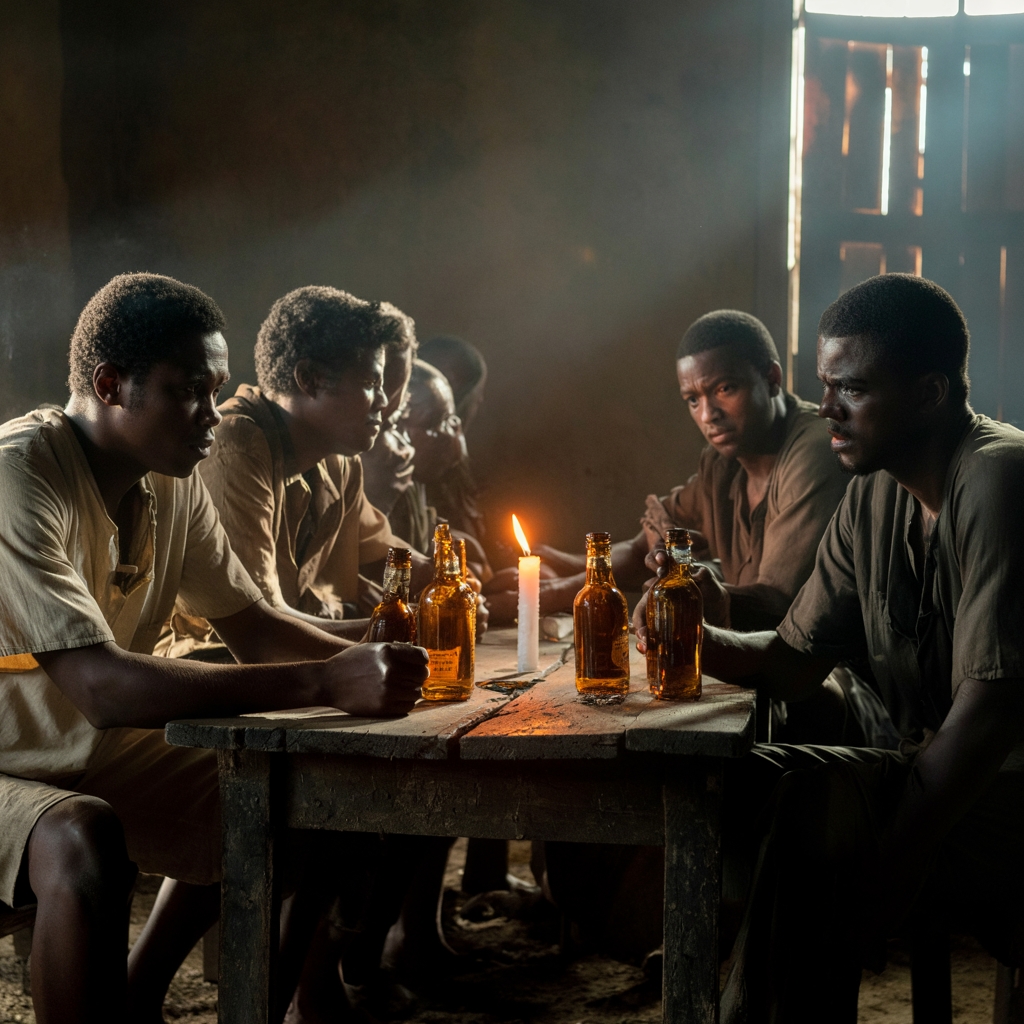
As a result, increasing numbers of youths occupy the streets, burdened by hopelessness and uncertainty about their future. Some turn to substance abuse as a way to escape stress and pressure. Despite years of education, many remain unemployed, endlessly searching for jobs that seem increasingly out of reach.
Faced with these realities, many youths have chosen to postpone their dreams, adjusting their ambitions to survive day by day. This leaves the nation with difficult questions: Where are we heading as a country? What kind of society do we expect tomorrow? These are questions that demand serious reflection, bearing in mind that tomorrow is shaped by the choices we make today.
I grew up in an environment where life seemed to move in the right direction. From early childhood to adulthood, each stage carried its own lessons and expectations. However, as time passed, these stages became more complex, reflecting the changing realities of society.
Challenges are encountered in every corner of life. Much of our time is spent in school, where we are shaped academically and socially. Yet, upon returning home, culture and traditions both directly and indirectly continue to mold who we become. Despite rapid changes in the 21st century, many youths now live in a cycle of blame, pointing fingers instead of seeking solutions. Even after achieving high levels of education, a significant number still struggle with fundamental life decisions, especially whether or not to marry.
The community today appears overwhelmed by these growing challenges. In the past, parents and elders played clear roles in guiding young people, ensuring responsibilities were shared and problems addressed collectively. Today, that sense of duty has weakened. Many parents and young adults have abandoned their responsibilities, leaving critical issues unresolved.
Society increasingly operates on the principle of “survival of the strongest,” a shift that has resulted in confused roles, strained young parenthood, and youths left to face life’s hardest questions alone. Many are forced to decide their future without guidance, support, or mentorship particularly on matters of marriage and family life.
The government, on the other hand, has been compelled to intervene as cases of parental neglect and social irresponsibility rise. It is troubling to imagine a society where a 12-year-old child is left to struggle alone without proper care, guidance, or follow-up. Such neglect reflects a deeper moral and social crisis.
As a result, increasing numbers of youths occupy the streets, burdened by hopelessness and uncertainty about their future. Some turn to substance abuse as a way to escape stress and pressure. Despite years of education, many remain unemployed, endlessly searching for jobs that seem increasingly out of reach.
Faced with these realities, many youths have chosen to postpone their dreams, adjusting their ambitions to survive day by day. This leaves the nation with difficult questions: Where are we heading as a country? What kind of society do we expect tomorrow? These are questions that demand serious reflection, bearing in mind that tomorrow is shaped by the choices we make today.